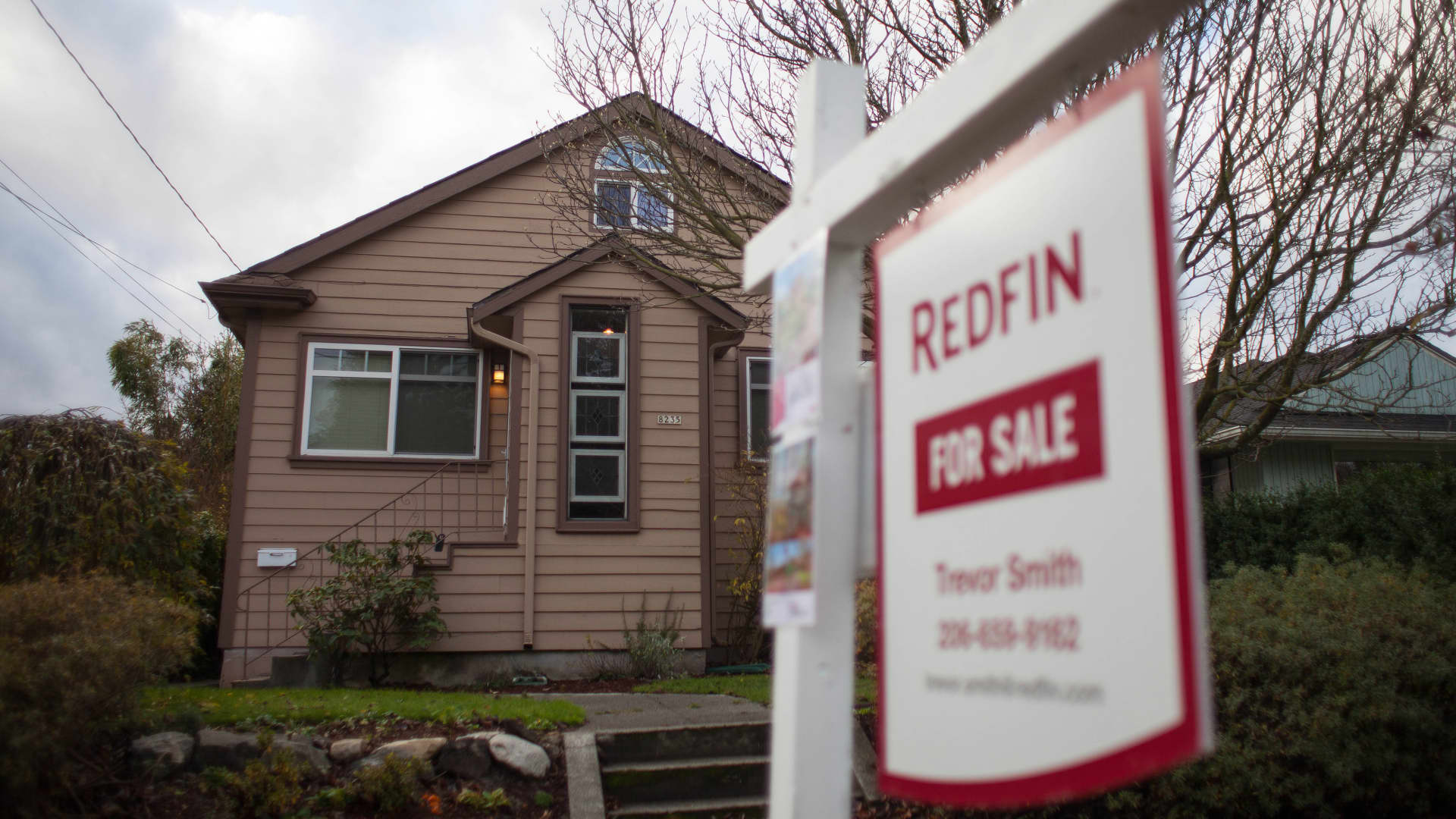
Housing market

Yes, this is my point. In my head I say "man, I know you're so wrong about this, but I don't know the math the back it up."

Also, I didn't mention he's financed like 3 different house projects AND keeps buying big power tools because "those will hold their value better than the dollar."
That is called a bet ... machines depreciate ... so he is hedging on the worst happening.

My thought, he needs expenses and this is a great way to do that and 'write them off'.
 
Yes, this is my point. In my head I say "man, I know you're so wrong about this, but I don't know the math the back it up."

Also, I didn't mention he's financed like 3 different house projects AND keeps buying big power tools because "those will hold their value better than the dollar."

It's impossible to do the math because you/we don't really know what he means by the dollar crashing nor what probability of that occurring.
 
  • Like
Reactions: nwiacyclonefant
I need some math help from the finance gurus on here. I have a co-worker who is currently financing stuff left and right. His whole "theory" is that the dollar is going to crash in value. So, if you finance something today, but pay it off over 5 years, you're buying it in today's dollars but paying it off with "less valuable money."

I know he's wrong, but I could sure use some math to back me up. Let's say he financed $12,000 in new windows (which he did). If that's on a 5 year note, what's he "saving," like $80? (Assuming his theory is correct).

If it’s interest free financing - he’ll be alright.
 
I tell this story all of the time. Probably even in this thread.

I was managing and a loan came across my desk. 80-20 purchase for almost $700k. Borrower had one trade line for $350 credit line. No mortgage pay history.

Income was inflated and supported with a reference letter only. No income docs. No asset docs needed since they had no skin in the game.
I said this didn't make a damn bit of sense and you'd think I took a dump at the church door. A total **** storm.

Today is (currently) not close to those days.

I worked for a subprime lender in 2006 (I didn't know anything about mortgages at the time and just needed a job) but I got disciplined because there was a customer that was going to refi with us for a ton of cash out and they said they were going to dump the house right after that on the market and I noted it on the account and the underwriter didn't approve it. I mean the entire point of the operation was to charge people points on their initial refi and show that has income on the ledger, not to get people homes.
 
I worked for a subprime lender in 2006 (I didn't know anything about mortgages at the time and just needed a job) but I got disciplined because there was a customer that was going to refi with us for a ton of cash out and they said they were going to dump the house right after that on the market and I noted it on the account and the underwriter didn't approve it. I mean the entire point of the operation was to charge people points on their initial refi and show that has income on the ledger, not to get people homes.

We were underwriting for 30 days and not 30 years. Get the payment in, get it off the books, cash the checks.

Today is largely not like that, but some stories are starting to sound a little familiar
 
I need some math help from the finance gurus on here. I have a co-worker who is currently financing stuff left and right. His whole "theory" is that the dollar is going to crash in value. So, if you finance something today, but pay it off over 5 years, you're buying it in today's dollars but paying it off with "less valuable money."

I know he's wrong, but I could sure use some math to back me up. Let's say he financed $12,000 in new windows (which he did). If that's on a 5 year note, what's he "saving," like $80? (Assuming his theory is correct).

Interest cost + depreciation on purchase vs inflation rate is what you are looking at, assuming he is financing things he actually needs.

The most extreme version is a home mortgage - locking in a house payment of say $1,200 today will look really, really cheap in years 20-30 on that mortgage.

I think he is a fool if he is just randomly financing anything that can be financed in the name of paying it back with cheaper dollars. Real estate works really good with this strategy, sometimes vehicles and equipment too, but other than that I don't see it ending well for him.
 
  • Agree
Reactions: throwittoblythe
Interest cost + depreciation on purchase vs inflation rate is what you are looking at, assuming he is financing things he actually needs.

The most extreme version is a home mortgage - locking in a house payment of say $1,200 today will look really, really cheap in years 20-30 on that mortgage.

I think he is a fool if he is just randomly financing anything that can be financed in the name of paying it back with cheaper dollars. Real estate works really good with this strategy, sometimes vehicles and equipment too, but other than that I don't see it ending well for him.
It also really depends on if he needs the things he is financing or if he is just convincing himself to do projects and buy things with his logic. Like every person who buys 200 dollars worth of stuff they don't need at target because they save 5% with their card.
 
It also really depends on if he needs the things he is financing or if he is just convincing himself to do projects and buy things with his logic. Like every person who buys 200 dollars worth of stuff they don't need at target because they save 5% with their card.
I’ve got to spend that $240 to get the $20 coupon too!
 
I think people would use that less if they knew how much has to be built into the price to offer extended interest free financing.

You’re paying the same price either way. The profit from those deals comes from the (not insignificant) number of people who don’t pay them off in time.
 
  • Agree
Reactions: Halincandenza
I think people would use that less if they knew how much has to be built into the price to offer extended interest free financing.

I guess I haven’t looked… but when Homemakers/NFM runs a 48 month interest free financing are you saying that Homemakers/NFM will markup their inventory? I don’t see that being the case. I could be wrong - but that would impact your cash buyer.
 
You’re paying the same price either way. The profit from those deals comes from the (not insignificant) number of people who don’t pay them off in time.
I suppose you are if you don't negotiate. At any rate, it's not free if the company you're buying from has to account for 10-15% (or more depending on how long the free interest is) fees paid to the lender.
 

Help Support Us

Become a patron