I thought ULM was decent, but I think it was more Florida State is really bad right now.
I won't make any argument for FSU being good, but their 2 losses are to the AP #16 and 18 teams by 1 score. I don't think they are "really bad" either.


Follow along with the video below to see how to install our site as a web app on your home screen.
Note: This feature may not be available in some browsers.
I thought ULM was decent, but I think it was more Florida State is really bad right now.

I won't make any argument for FSU being good, but their 2 losses are to the AP #16 and 18 teams by 1 score. I don't think they are "really bad" either.
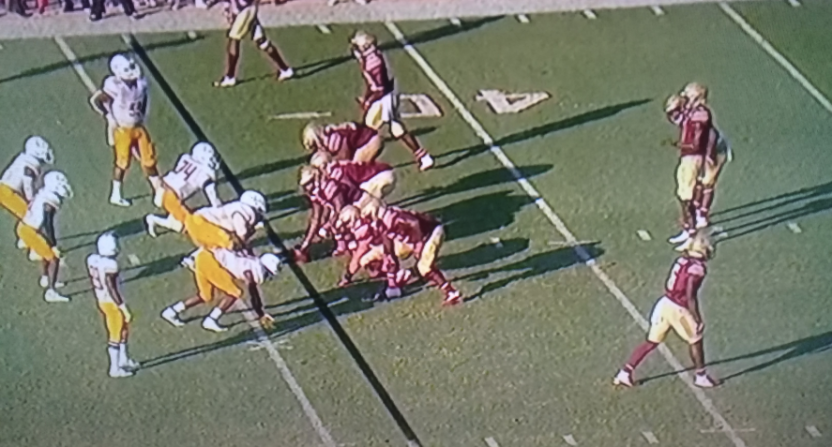

And ESPN has them something like 88th in defensive efficiency.
Those are fair points, though, the jokes aside.
They are #35 on FPI. Iowa State is #24.
They’re not at all consistent series to series. A brand name like that will be blood in the water for a team like ULM.I won't make any argument for FSU being good, but their 2 losses are to the AP #16 and 18 teams by 1 score. I don't think they are "really bad" either.

Fair point. ESPN's offensive/defensive efficiency, where you are getting this from, are based on raw points per drive, which frankly, haven't been great for Iowa State as documented because they weren't able to punch in scores on drives against UNI and Iowa. This number should get better over time once Iowa State capitalizes more often.ISU is 51st in offensive efficiency. That isn't exactly one of the top offenses in college football.
UNI isn't close to the best defense ISU will face. Right now here are the defensive efficiencies of Big 12 teams.
6. KSU
13. TCU
26. OU
27. Texas Tech
40. Baylor
44. OSU
48. Texas
68. WVU
86. KU
For reference on the teams that ISU has played.
23. Iowa
111. ULM
It's like when you're in High school. Sometimes you need to punch a third grader in the face to get the confidence to face the 6th grade bully who keeps taking your lunch money.ULM's defense was certainly the worst we've seen since Texas Tech 2016.
That being said, a nice @$$ whoopin' is exactly what our offense needed to get some confidence going into conference play. We sure won't have soggy Jack Trice turf slowing us down this weekend...
Fair point. ESPN's offensive/defensive efficiency, where you are getting this from, are based on raw points per drive, which frankly, haven't been great for Iowa State as documented because they weren't able to punch in scores on drives against UNI and Iowa. This number should get better over time once Iowa State capitalizes more often.
Even more, the average doesn’t fully articulate the offensive problems we have had, but it doesn’t indicate some of the frustration.ISU is 51st in offensive efficiency. That isn't exactly one of the top offenses in college football.
UNI isn't close to the best defense ISU will face.
Somewhere in the middle IMO. Generally speaking if you can move the ball in other areas of the field (and Iowa State has) red zone offense would also be good. For whatever reason, the dots weren't connected in first two games. I think those were more aberrations than anything.Is converting red zone possessions more of a lucky thing or a skill thing?
I know we have a small sample size, but UNI and UOI did not fill me with confidence.

It's like when you're in High school. Sometimes you need to punch a third grader in the face to get the confidence to face the 6th grade bully who keeps taking your lunch money.

It's like when you're in High school. Sometimes you need to punch a third grader in the face to get the confidence to face the 6th grade bully who keeps taking your lunch money.

Somewhere in the middle IMO. Generally speaking if you can move the ball in other areas of the field (and Iowa State has) red zone offense would also be good. For whatever reason, the dots weren't connected in first two games. I think those were more aberrations than anything.

Isn’t our defense somewhat built on this not being true? The red zone is somewhat an arbitrary cutoff, but given enough iterations a mistake will occur, and the field does compress as you get to the red zone.Generally speaking if you can move the ball in other areas of the field (and Iowa State has) red zone offense would also be good. .
Defenses can say they specialize in red zone and sure Iowa State has done well in this area. But IMO that is because the defense is good everywhere. Yards are yards, essentially. I do think randomness and luck do play into turnovers, which alters red zone numbers, good and bad. Long story short, if you are gaining lots of yards per play, points almost always follow.Isn’t our defense somewhat built on this not being true? The red zone is somewhat an arbitrary cutoff, but given enough iterations a mistake will occur, and the field does compress as you get to the red zone.
Given the defenses we have played, I don’t know if the success rate in those two areas will converge just from a larger sample. The skill positions making the available play will go a long ways.
It’s not saying they specialize in the red zone, although the number of plays needed for an offense to make a mistake is likely to correlate to that offense at times approaching the red zone. Bend but don’t break is largely just testing the quality control of an offense more than specializing in the red zone (although teams to change their approach once the offense is only a few iterations from scoring). Our offense has had quality control issues, not necessarily red zone issues, against two play forward-defenses. That can be hidden in average yards per play, particularly when we also have a bend don’t break defense that leaves a lot of field position swings.Defenses can say they specialize in red zone and sure Iowa State has done well in this area. But IMO that is because the defense is good everywhere. Yards are yards, essentially. I do think randomness and luck do play into turnovers, which alters red zone numbers, good and bad. Long story short, if you are gaining lots of yards per play, points almost always follow.
Good call, very true. Absolutely see this side as well, appreciate the discussion.It’s not saying they specialize in the red zone, although the number of plays needed for an offense to make a mistake is likely to correlate to that offense at times approaching the red zone. Bend but don’t break is largely just testing the quality control of an offense. Our offense has had quality control issues, not necessarily red zone issues, against two play forward-defenses. That can be hidden in average yards per play, particularly when we also have a bend don’t break defense that leaves a lot of field position swings.
Defenses can say they specialize in red zone and sure Iowa State has done well in this area. But IMO that is because the defense is good everywhere. Yards are yards, essentially. I do think randomness and luck do play into turnovers, which alters red zone numbers, good and bad. Long story short, if you are gaining lots of yards per play, points almost always follow.

