
In 2023, Toyota still makes a 50k SUV with a 5 speed transmission that gets 16mpg. I'll believe it when I see it. I've owned a lot of Toyota and Honda vehicles in my lifetime and they've been great vehicles but they are both way behind when it comes to EV's.Pretty cool tech coming from Toyota
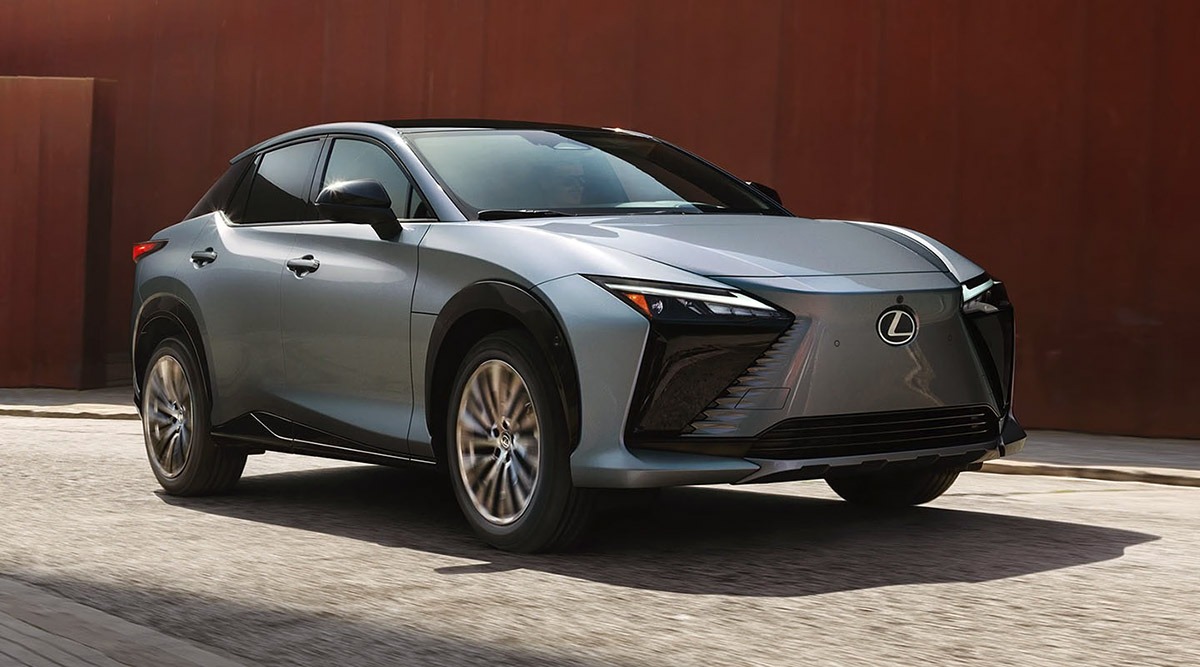
Toyota teases solid-state battery breakthrough and 600-mile EV range as it adopts Tesla's gigacasting
Toyota teased the specs of its next generation of electric vehicles coming in 2026, and they'd apparently be able to cover 600+ miles on a charge thanks to new high-density batteries. Not only that, but Toyota will have cheap $25,000 EVs along for the ride, as well as electric cars powered by...www.notebookcheck.net


No forums found...
Site Related
Iowa State
College Sports
General - Non ISU
CF Archive
Install the app
How to install the app on iOS
Follow along with the video below to see how to install our site as a web app on your home screen.
Note: This feature may not be available in some browsers.
When do you think you will buy a 100% pure electric vehicle?
- Thread starter dmclone
- Start date
No forums found...
Site Related
Iowa State
College Sports
General - Non ISU
CF Archive
You are using an out of date browser. It may not display this or other websites correctly.
You should upgrade or use an alternative browser.
You should upgrade or use an alternative browser.

In 2023, Toyota still makes a 50k SUV with a 5 speed transmission that gets 16mpg. I'll believe it when I see it. I've owned a lot of Toyota and Honda vehicles in my lifetime and they've been great vehicles but they are both way behind when it comes to EV's.
They're getting a pretty big subsidy from the Japanese government for this venture!

Toyota To Receive $850 Million Subsidy For Next-Gen EV Battery Development
Toyota said that it will use the money to develop the next generation of lithium-ion EV batteries which use bipolar lithium iron phosphate technology and have the potential to offer 20 percent more range in electric vehicles.
 insideevs.com
In 2023, Toyota still makes a 50k SUV with a 5 speed transmission that gets 16mpg. I'll believe it when I see it. I've owned a lot of Toyota and Honda vehicles in my lifetime and they've been great vehicles but they are both way behind when it comes to EV's.
Boggles my mind why those two giants didn’t and don’t seem to want to corner the phev market. Throw in Subaru as well. They should have every model of their vehicles in a hybrid option and they should look exactly the same as the non-hybrid options.
I would buy a PHEV Tacoma the second it came out.


Saw a Rivian SUV in DSM today, I thought it definitely looked better than the pickup.


Honda has actually back tracked some. We had a 2015 Civic hybrid that we loved, but was totaled in an accident. We planned on getting a newer one to replace it only to learn the hybrid version of the Civic had been discontinued.Boggles my mind why those two giants didn’t and don’t seem to want to corner the phev market. Throw in Subaru as well. They should have every model of their vehicles in a hybrid option and they should look exactly the same as the non-hybrid options.
I would buy a PHEV Tacoma the second it came out.
Personally, I think they're doing what they've always done: create quality, affordable vehicles they can sell oodles and oodles of and they don't think the market is there yet.

Hot take - most people don't know, or ignore the best reason to get an electric vehicle. It's not to save money (but that can happen), it's not to be better for the environment (but that can happen).
The best reason to buy an electric vehicle is to have more options for fuel / reduce dependency on (foreign) oil.
In an ICE vehicle, you're dependent on your local gas stations which get their gas from wherever. In an electric vehicle you get your "fuel" from your house, from a charging station. The original source of that energy could be anything - solar, wind, coal, natural gas, hydro, etc. If opec decides to cut capacity to raise prices, it would have little effect on the fuel cost for an electric vehicle. If the green party gets in power (yeah right) and decides to cut domestic oil production, it's not going to matter. If the regional refinery catches on fire, electrical vehicle owners won't lose sleep.
I know the general thinking is that electrical vehicles are more limiting (mostly due to range), but I'd argue it's just the opposite. It enables the versatility of not being siloed into a single fuel source.
The best reason to buy an electric vehicle is to have more options for fuel / reduce dependency on (foreign) oil.
In an ICE vehicle, you're dependent on your local gas stations which get their gas from wherever. In an electric vehicle you get your "fuel" from your house, from a charging station. The original source of that energy could be anything - solar, wind, coal, natural gas, hydro, etc. If opec decides to cut capacity to raise prices, it would have little effect on the fuel cost for an electric vehicle. If the green party gets in power (yeah right) and decides to cut domestic oil production, it's not going to matter. If the regional refinery catches on fire, electrical vehicle owners won't lose sleep.
I know the general thinking is that electrical vehicles are more limiting (mostly due to range), but I'd argue it's just the opposite. It enables the versatility of not being siloed into a single fuel source.

Saw a Rivian SUV in DSM today, I thought it definitely looked better than the pickup.
I really dig the looks of the Rivian trucks. But then again, I'm a truck guy.
Sometimes being first to market doesn't mean long term success.In 2023, Toyota still makes a 50k SUV with a 5 speed transmission that gets 16mpg. I'll believe it when I see it. I've owned a lot of Toyota and Honda vehicles in my lifetime and they've been great vehicles but they are both way behind when it comes to EV's.
There is a graveyard of first to market companies that no longer exist or no longer make the product. Back in the day IBM, GE and Compac made personal computers.
Honda has actually back tracked some. We had a 2015 Civic hybrid that we loved, but was totaled in an accident. We planned on getting a newer one to replace it only to learn the hybrid version of the Civic had been discontinued.
Personally, I think they're doing what they've always done: create quality, affordable vehicles they can sell oodles and oodles of and they don't think the market is there yet.
True. It’s not their job to have any kind of accountability to anyone other than their shareholders. I’m 100% sure they’ve ran the numbers lol.

Yeah, the article was just Washington.Looks like Washington doesn’t have what Iowa has. Win for Iowa.

That shift could lead to a pileup of vacant gas stations that the existing cleanup programs won’t be able to handle. There are more than 145,000 fueling stations in the United States, according to the National Association of Convenience Stores. Even if the country manages to break off its century-long attachment to gasoline, the fuel’s legacy may live on in the soil and water. The question of who pays to clean up the contamination is a mess in itself: In theory, station owners are supposed to pick up the tab, but sometimes they’re unable to pay – or unable to be found – when the bill comes due. So then who pays? Sometimes it’s an insurance company, sometimes an oil company, sometimes the government. It’s up to lawyers and courts to hash it out.
“This is a huge problem nationally,” Metz said. “It's all over the country. There are all these abandoned gas stations, and it's just going to get worse.”
I like them better in person than I expected to.I really dig the looks of the Rivian trucks. But then again, I'm a truck guy.
That's a pretty one sided take.Hot take - most people don't know, or ignore the best reason to get an electric vehicle. It's not to save money (but that can happen), it's not to be better for the environment (but that can happen).
The best reason to buy an electric vehicle is to have more options for fuel / reduce dependency on (foreign) oil.
In an ICE vehicle, you're dependent on your local gas stations which get their gas from wherever. In an electric vehicle you get your "fuel" from your house, from a charging station. The original source of that energy could be anything - solar, wind, coal, natural gas, hydro, etc. If opec decides to cut capacity to raise prices, it would have little effect on the fuel cost for an electric vehicle. If the green party gets in power (yeah right) and decides to cut domestic oil production, it's not going to matter. If the regional refinery catches on fire, electrical vehicle owners won't lose sleep.
I know the general thinking is that electrical vehicles are more limiting (mostly due to range), but I'd argue it's just the opposite. It enables the versatility of not being siloed into a single fuel source.
You do understand about 2/3 of oil is domestically sourced.
Also, while you can charge your car at home, where do you think materials to make EV batteries come from?
I have nothing against EV's and believe they have a role in auto industries future. But have my doubts it's a one-size-fits all solution.
And in general, I think governments usually mess things up when they force consumer change.

I don’t think you are fully thinking things through with that thought.Hot take - most people don't know, or ignore the best reason to get an electric vehicle. It's not to save money (but that can happen), it's not to be better for the environment (but that can happen).
The best reason to buy an electric vehicle is to have more options for fuel / reduce dependency on (foreign) oil.
In an ICE vehicle, you're dependent on your local gas stations which get their gas from wherever. In an electric vehicle you get your "fuel" from your house, from a charging station. The original source of that energy could be anything - solar, wind, coal, natural gas, hydro, etc. If opec decides to cut capacity to raise prices, it would have little effect on the fuel cost for an electric vehicle. If the green party gets in power (yeah right) and decides to cut domestic oil production, it's not going to matter. If the regional refinery catches on fire, electrical vehicle owners won't lose sleep.
I know the general thinking is that electrical vehicles are more limiting (mostly due to range), but I'd argue it's just the opposite. It enables the versatility of not being siloed into a single fuel source.

In 2023, Toyota still makes a 50k SUV with a 5 speed transmission that gets 16mpg. I'll believe it when I see it. I've owned a lot of Toyota and Honda vehicles in my lifetime and they've been great vehicles but they are both way behind when it comes to EV's.
And I own one (albeit the auto xmsn). The gf wanted it for the "ruggedness" (i.e. cool looks) when her jeep died. Meanwhile my V8 Jag gets 25% better mpg...
Pretty cool tech coming from Toyota
Toyota teases solid-state battery breakthrough and 600-mile EV range as it adopts Tesla's gigacasting
Toyota teased the specs of its next generation of electric vehicles coming in 2026, and they'd apparently be able to cover 600+ miles on a charge thanks to new high-density batteries. Not only that, but Toyota will have cheap $25,000 EVs along for the ride, as well as electric cars powered by...
If they get the solid state battery thing figured out at scale, that would be a world-changing thing.

That's Toyota's gig. They'll build you the best, most reliable vehicle ever using technology that's at least five years older than everyone else's stuff. It's old. It'll feel old. But it will run and work indefinitely because they've perfected that older tech.Boggles my mind why those two giants didn’t and don’t seem to want to corner the phev market. Throw in Subaru as well. They should have every model of their vehicles in a hybrid option and they should look exactly the same as the non-hybrid options.
I would buy a PHEV Tacoma the second it came out.
When I looked into PHEVs, I was terribly disappointed. All of the positives were severely curtailed by the negatives. Super short electric only range, still have to carry around all the heavy ICE mechanicals, etc. I liked the idea at first, but the compromises were too severe to make it make sense to me. Either a pure EV or a pure hybrid would be superior for me.Boggles my mind why those two giants didn’t and don’t seem to want to corner the phev market. Throw in Subaru as well. They should have every model of their vehicles in a hybrid option and they should look exactly the same as the non-hybrid options.
I would buy a PHEV Tacoma the second it came out.
It reminds me of "compromise" aircraft, that try to do 2 things and end up doing neither very well.
Yeah I don't hate the truck the SUV just caught my eye today. First time I think I've seen one.I really dig the looks of the Rivian trucks. But then again, I'm a truck guy.
Probably never, at least not until battery technology vastly improves. We need to go Nuclear. Solar and wind are nice but not cost effective. Ideally it needs to get to a point where batteries in EVs are like propane tanks, walk up take your dead battery out and swap it with a fully charged unit at a gas station. I doubt that ever happens, but I see that as the only way everyone gets on board.

Why America's outdated energy grid is a climate problem
The transmission system in the U.S. is a major problem because it is old and because it is not set up for energy systems of the future.www.cnbc.com
/cloudfront-us-east-2.images.arcpublishing.com/reuters/G5LVJCFDONMF3GUMEKXBVEBGYI.jpg)
U.S. Midwest may have summer power shortages for years
The power grid operator in the Central United States warned on Friday that problems it may experience keeping the lights on this summer could also occur during the summers of 2023, 2024 and beyond.www.reuters.com
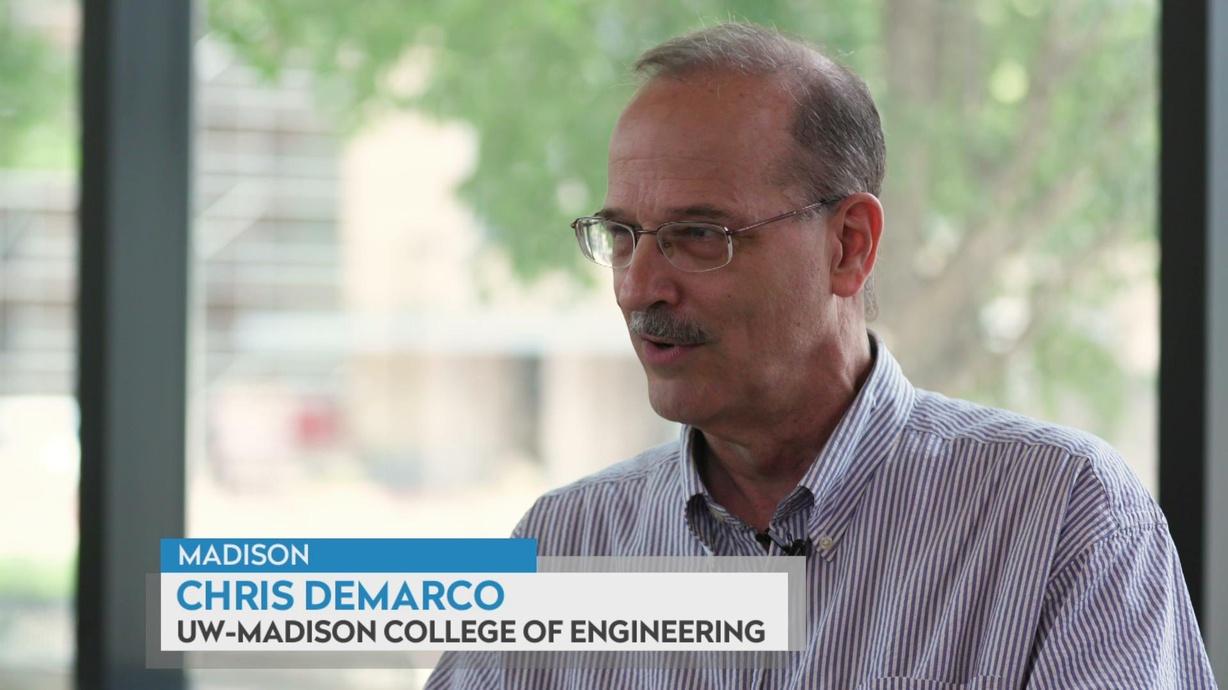
What's the risk for blackouts in the Midwest energy grid?
University of Wisconsin-Madison professor emeritus of electrical engineering Chris DeMarco discusses the high risk of energy emergencies and possible blackouts in the Midwest grid following a report from the North ...pbswisconsin.org
This anticipated argument against EVs is common but doesn't hold water. The grid will adapt to increasing demand.
This is like saying we should continue to rely on ethanol because what else are we going to do with 50% of the corn supply in Iowa? Industry will adapt and change. Or it will die.
But continuing the status quo because of potential consequences to the grid is what got us into this mess.
